A 2049 Labs project

An — in-depth health analysis for families.

An is not another dashboard of charts. It is an analysis layer above the devices people already own. An follows how each person's health signals evolve against their own baseline, and reports periodically, in plain language: what is changing, how confident the analysis is, and what should happen next.

The An app — personal health trends at a glance

Depth comes from data layers — not from any single device

An is software only; we do not make hardware. The more data a family chooses to connect, the deeper the analysis can responsibly go. For people without devices, an optional voice check-in keeps them within the circle of care. Voice is an input channel — never the center of the product.
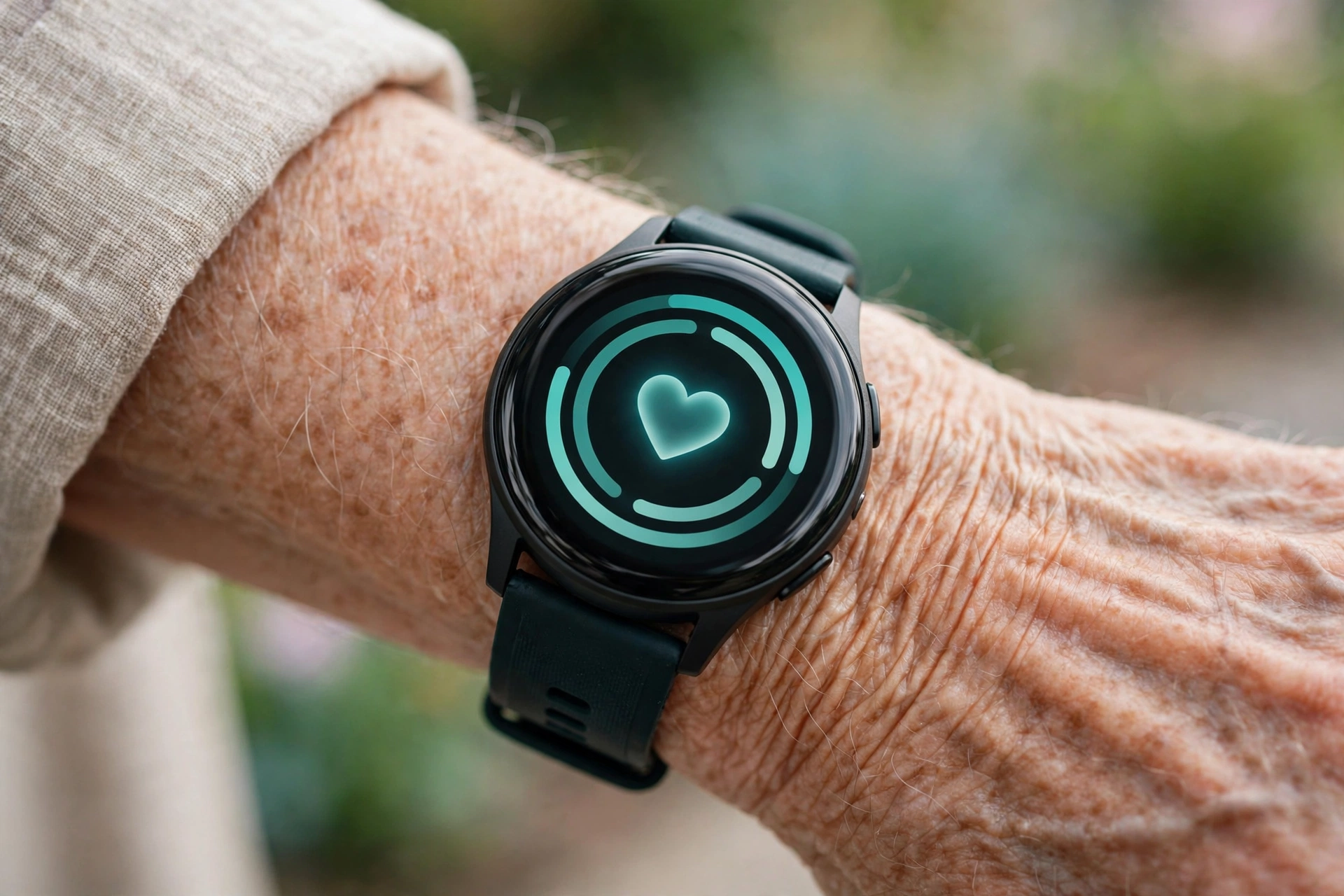
A wearable quietly collecting heart and sleep signals
T1

Phone and health apps

Apple Health and Health Connect: activity, mobility and walking patterns. Sufficient for movement trends — not yet health analysis.

T2

+ A wearable

Heart rate, heart-rate variability, sleep, blood oxygen (SpO2), respiratory rate and temperature deviation. This tier unlocks longitudinal trend analysis against a personal baseline.

T3

+ Home measurements

Blood pressure first — the most valuable clinical anchor for cardiometabolic risk — together with weight, and blood glucose where a clinician advises it.

T4

+ Lab results and medical context

HbA1c, blood lipids, kidney function and further results imported from laboratory files, together with age, existing conditions, medication and family history. Only at this depth does risk assessment become meaningful.

T5

+ A feedback loop

Users and partner clinicians confirm which signals proved real. Every confirmed outcome recalibrates the engine. Reliability is earned from evidence — never asserted.

Every An report states its own limits. A data-coverage score and a confidence score show how much evidence supports each conclusion. Where data is insufficient, An says so — and does not present trend analysis as risk assessment.

One subscription for the whole family

A daughter reviewing health trends together with her mother at home

Profiles, not accounts

Each person receiving care — a father, a mother, grandparents, or yourself — has an individual profile, with separate data sources and separate consent.

Family members view free of charge

Siblings and relatives join the family circle at no cost, on iOS or Android. Pricing is based on the number of monitored profiles and the depth of analysis — never on the number of viewers.

Consent remains personal

The person being monitored decides what is shared — summaries only, urgent alerts, or full detail — and may withdraw access at any time. Paying for a parent's care does not confer ownership of their data.

Pricing, designed responsibly

An exists to serve a community. Its pricing follows the same principle:

01

Safety is never paywalled

Core safety functions — basic reminders, serious-deviation alerts and family connection — are never withheld behind a paywall, and are never marketed through fear.

02

What paid plans provide

Depth: richer periodic analysis, more profiles and devices, longer history, and human review of unusual cases at higher tiers.

03

A trial that demonstrates value first

Health data needs time to become meaningful. Families begin with a 30-day cycle: a baseline period, followed by the first in-depth analysis report at no charge. The decision to pay comes after An has shown what it can find.

04

Paying families sustain the community tier

A share of subscription revenue maintains a free community tier for older people living alone or on low incomes, delivered with local partners.

Roadmap

1

Pilot — Vietnam

50–100 families in Ho Chi Minh City: baseline building, the first in-depth analysis reports, and measured validation with clinician feedback.

2

Public release

Launch on the App Store and Google Play, in Vietnamese and English, with the family model described above.

3

New countries and languages

The architecture is multi-market from day one: multilingual by design, risk calibration per population, and health-data compliance per country. The Vietnamese diaspora — adult children paying for their parents' care from abroad — is the natural first bridge.